Vaccines and Africa Travel
Traveling to Africa exposes you to health risks uncommon elsewhere. For instance, the World Health Organization states that yellow fever remains endemic in 33 African countries. Combining vaccinations with other preventive measures reduces illness and avoids quarantines that disrupt itineraries. I once encountered a group delayed at Nairobi airport due to a missing yellow fever certificate; their safari plans suffered greatly.
Prepare early: it takes weeks for some vaccines to work.
Common Issues
Many travelers underestimate vaccine requirements or delay consulting doctors until days before departure. This leads to incomplete protection and trip cancellations. For example, measles outbreaks in sub-Saharan Africa surged in 2018, yet some visitors arrive without updated MMR shots. Travelers often forget vaccines for diseases like meningococcal meningitis, especially when visiting during seasonal outbreaks.
Consequences include expensive medical evacuations and quarantines, which ruin experiences and add stress.
Vaccination: What to Do
Yellow Fever Vaccine
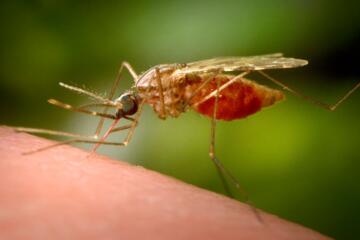
This dose prevents a deadly mosquito-borne virus prevalent in West Africa. Many countries require proof upon arrival. The single injection remains effective for 10 years. Clinics like Passport Health administer it efficiently, with costs around $150 in the US.
Typhoid Immunization
Caused by contaminated food or water; typhoid cases peak in regions with poor sanitation. Oral vaccines protect about 50% to 70%, while injectable types boast higher efficacy. Start shots four weeks prior. I recommend this for urban and rural visits.
Hepatitis A and B Vaccine
Hepatitis A spreads through food and water, while B transmits via blood or bodily fluids. Vaccination can involve two to three doses over months, but accelerated schedules exist. Protecting yourself prevents severe liver complications common in travelers returning from Africa.
Meningococcal Vaccine
Especially relevant from December to June in the African ""meningitis belt."" This vaccine counters deadly bacterial meningitis strains. Some countries demand vaccination proof. Make appointments early, as immunity builds over two weeks.
Rabies Prevention
Rabies risks rise in areas with wild or stray animals. Pre-exposure vaccines require three doses over weeks but cut fatality risks drastically after exposure. If your African trip includes remote hiking, consider this seriously.
Malaria Chemoprophylaxis
Though not a vaccine, malaria drugs like Malarone or doxycycline complement vaccinations, reducing infection chances. Consult a health expert for region-specific advice; costs and side effects vary.
Routine Immunizations
Confirm all standard adult vaccines like tetanus, diphtheria, and pertussis are current. Missing boosters can complicate injury treatment overseas.
Travel Clinics and Timing
Booking a travel health consultation 6-8 weeks before departure allows completing necessary shots. Clinics often provide vaccine cards required by African countries.
Documenting Vaccines
A Yellow Card (International Certificate of Vaccination) is mandatory for certain countries. Your medical provider issues it; keep it handy — airport checks have tightened since 2019.
Lessons from Travelers
In 2019, a UK tour company faced an outbreak of hepatitis A among staff in Kenya due to overlooked vaccines. After adding thorough vaccination reviews to pre-trip protocols, incidents dropped 90%. Another instance involved a US volunteer group visiting Uganda; their yellow fever shots prevented quarantine during a 2018 local epidemic.
Small choices made big differences.
Checklist for Vaccines
| Vaccine | Protects Against | Recommended Regions | Dose Timing |
|---|---|---|---|
| Yellow Fever | Mosquito-borne virus | West & Central Africa | 1 dose, 10 years |
| Typhoid | Bacterial infection | All Africa areas | Oral: 1 week; Injection: 2 weeks |
| Hepatitis A/B | Liver viruses | Broad Africa | Multiple doses, weeks apart |
| Meningococcal | Bacterial meningitis | Meningitis belt | One shot, 2 weeks |
| Rabies | Virus from animals | Remote rural areas | Three doses, weeks apart |
Faults to Avoid
Waiting until the last minute leaves no time for vaccines that need several weeks to take effect. Forgetting to bring vaccination proof invites delays and bans upon entry. Some travelers decline boosters after years, unaware immunity fades. Another mistake: assuming malaria pills replace vaccines. They complement, but do not replace protection. I once saw a traveler skip documentation checks, which, frankly, most people skip, and faced hours of airport hassles.
FAQ
Which vaccines must travelers get?
Yellow fever vaccine is required for many African countries, plus typhoid, hepatitis A and B, meningococcal, and rabies depending on trip specifics.
How early before travel to get vaccinated?
Schedule shots 6 to 8 weeks ahead for full immunity, except yellow fever needing 10 days minimum.
Are malaria pills enough instead?
No. Malaria pills prevent malaria but don’t protect against other common diseases requiring vaccines.
What documents prove vaccination?
The International Certificate of Vaccination (Yellow Card) documents your vaccine status, demanded on arrival in some countries.
Can children travel without vaccines?
Children should complete recommended immunizations; consult pediatric travel clinics for suitable schedules.
Author's Insight
After multiple African field trips, I’ve seen how neglecting vaccines causes avoidable disruptions. Booking travel health checks early saved my schedule from last-minute stress. I recommend keeping a printed and digital vaccination certificate and confirming destination rules a month before departure. Don't rely on online info alone—the actual clinic advice changed for my last trip in 2023. Thinking beyond the basics makes trips go smoothly.
Key Takeaways
Vaccinations shield travelers from diseases prevalent in Africa and meet country entry demands. Starting health preparations at least two months before travel means immunity can develop and paperwork can be secured. Check destination-specific risks, update routine shots, and carry documentation to avoid delays, missed plans, or worse health outcomes. A bit of preparation can mean the difference between a smooth trip and trouble waiting at arrival.