The Value of Guided Tours
Africa's vastness stretches over 30 million square kilometers, housing 54 countries with diverse cultures, ecosystems, and infrastructure levels. Traveling across it without strong local knowledge is overwhelming. Guided tours bring region-specific expertise. A safari guide in Tanzania, for instance, can identify subtle animal behaviors unnoticed by amateurs. In 2023, over 60% of safari tourists preferred guided tours, an indicator of their effectiveness.
Guided tours can unlock chance encounters, from arranging visits to remote tribes to spotting elusive wildlife. On a solo trip, many would miss these. In practical terms, this leads to richer experiences and better safety outcomes.
Common Pitfalls for Travelers
Independent travel often results in underestimating distances, overestimating safety, or missing crucial permits. For example, driving long distances on unpaved roads without proper guidance can lead to vehicle breakdowns or getting stranded. Local communication barriers add further confusion. I've seen travelers lose days waiting for spare parts or negotiating with police, which floods schedules.
The consequences? Lost time, increased costs, and reduced enjoyment. Then there is health risk management: some diseases require strict prevention plans that visitors often neglect.
Expect problems navigating visa rules, wildlife park regulations, and local customs without professional support. Tourists frequently report frustration when trying to independently book authentic community visits or exclusive conservancies, which require permits and contacts.
Strategies that Work Best
Local knowledge unlocks access
Tour guides with long-standing community ties provide entry to experiences off the beaten path. They arrange cultural exchanges or private conservancy tours unavailable to spontaneous visitors. This is not guesswork; local guides often come recommended through platforms such as SafariBookings or TripAdvisor, where verified reviews detail successful excursions.
Navigation and logistics handled
Complex routes, erratic schedules, and vehicle maintenance get professional oversight in guided trips. For example, Kenya’s Maasai Mara guides manage vehicle convoys to avoid wildlife disturbances and reduce breakdown risks. Vehicles typically have satellite communication, which matters when network coverage vanishes.
Health and safety protocols
Guides follow up-to-date health advisories—like malaria prophylaxis and water safety—that travelers may ignore. A guide’s presence reduces risk-taking by the group and provides immediate responses to emergencies. Tour operators often include insurance policies tailored for African regions, adding another layer of protection.
Streamlined paperwork
From park permits to visa assistance, guided tours shorten administrative hassles. National parks frequently limit visitor numbers daily, requiring timely booking. Tour companies handle application and timing. Delays or mistakes in solo booking can cause missed opportunities or fines.
Time optimization
A guided itinerary balances travel times and rest periods to maximize experiences. For example, some tours in Botswana allow for late afternoon game drives, timing wildlife sightings at peak activity, which amateurs often miss by arriving too early or late.
Eco-conscious travel
Experienced operators emphasize sustainable practices that minimize environmental impact. They collaborate with conservation projects—like South Africa’s anti-poaching units—ensuring tourism benefits local ecology and communities. Independent tourists may lack this insight or inadvertently harm these efforts.
Language and cultural bridges
Many regions speak non-English languages or dialects, complicating interactions. Guides bridge communication gaps, facilitating smoother exchanges during market visits or homestays. They enrich understanding beyond superficial sightseeing.
Equipment and tech support
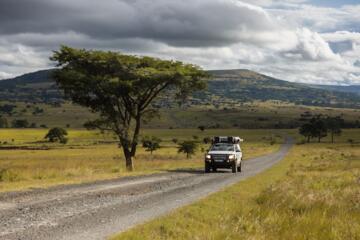
Professional tours supply quality gear such as high-powered binoculars, GPS trackers, or 4x4 vehicles with advanced suspension systems. For instance, using Land Cruisers equipped with rooftop tents and refrigeration ensures comfort on multi-day trips, vastly better than ad hoc rental vehicles without support.
Group dynamics and camaraderie
Traveling with a small guided group fosters shared experiences and safety. Social interactions thrive, which solo travelers sometimes miss. These groups often stay under 10 people—enough for connection without overwhelming logistics.
Examples from the Field
A South African couple wanted an extensive Namibia tour in 2022. Independent travel plans fell apart due to permit difficulties and lodging logistics. They joined a guided group through Intrepid Travel. Their guide handled all permits and arranged exclusive access to Sossusvlei at sunrise. The couple reported fewer delays and richer cultural encounters, rating the trip 9.5/10.
In 2021, a corporate team building exercise in Kenya faced transport strikes and sudden park closures. Their operator, Abercrombie & Kent, pivoted rapidly to a Tanzanian Serengeti alternative, maintaining the itinerary with just 8 people. The resilience impressed the organizers, proving the value of expert-led operations.
Tour Options Comparison
| Aspect | Solo Travel | Guided Safari | Self-drive Tour |
|---|---|---|---|
| Cost | Low-medium | Medium-high | Medium |
| Safety | Variable | High | Medium |
| Access | Limited | Extensive | Good |
| Expert advice | None | Available | Occasional |
| Health support | Variable | Reliable | Limited |
Errors to Sidestep
Booking last-minute without a confirmed guide often leads to permit denials or inflated prices. Ignore early warnings about road safety and risk breakdowns. Skipping vaccinations or health insurance threatens emergencies. Don’t rely solely on online reviews without cross-checking local updates. Many travelers underestimate how much water to carry in dry zones, causing discomfort. Avoid leaving itinerary control entirely to large groups; small group tours are usually more responsive.
FAQ
Are guided tours expensive?
Costs vary widely; guided tours often cost more upfront but save on hidden expenses like delays, health incidents, or local fees by arranging them in advance.
Can I customize guided tours?
Many operators offer semi-customizable itineraries, allowing tweaks while retaining expert oversight. Others run fixed routes but include optional activities.
What about language barriers?
Guides commonly speak English and local languages, bridging gaps at villages or markets, which enriches interaction and prevents misunderstandings.
Is solo travel safer with a guide?
Yes, guides act as local eyes and ears, reduce risk exposure, and help in emergencies, improving solo traveler security significantly.
What is the best time to book?
Book six months ahead for popular safaris and tours. This reserves accommodation and park permits, especially in peak seasons like July-October.
Author's Insight
Through years of guiding and organizing safaris, I’ve seen how planning and local expertise transform trips from stressful to memorable. The difference really comes down to details—camp setup at dusk, wildlife spotting tips, or quick adaptions to weather. I recommend choosing guides who are deeply connected to their communities. That connection shows in every moment of the trip—trust me, it pays off.
What to Remember
A guided tour in Africa confidently tackles the continent’s complexity and unpredictability. Local insights, safety measures, and careful logistics work together to enhance travel quality and reduce risks. For travelers aiming to experience Africa’s many layers beyond superficial visits, guided options deliver tangible benefits both practical and cultural. Careful research, early booking, and choosing a knowledgeable team sharpen the experience further—and turn big travel dreams into real adventures.