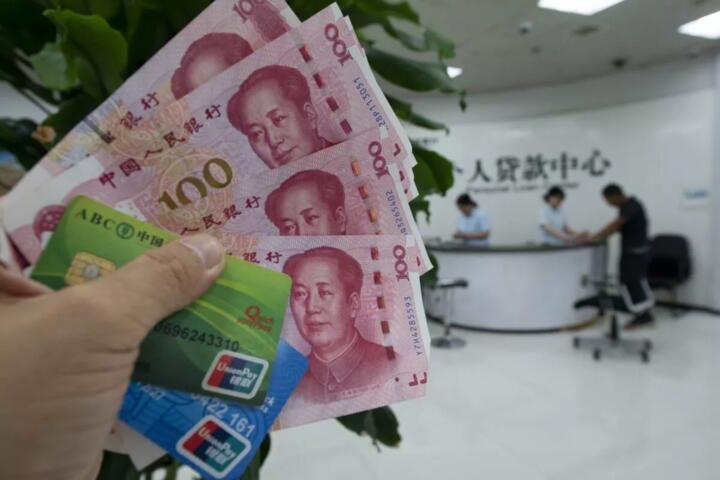
Cash's Hold in Asia
Cash usage in Asia remains remarkably high even as mobile payments and digital wallets expand rapidly. For example, Japan still sees 80% of transactions made in cash despite its tech-savvy population. In India, 78% of consumer payments were cash-based as recently as 2022, according to the Reserve Bank of India. Many small towns and rural areas rely on cash due to limited internet and banking infrastructure. Cash is tangible, immediate—something digital methods lack.
Consider street vendors, small grocery shops, or local markets in countries like Vietnam or the Philippines: cash means no delays, no failing QR codes. People trust what they hold. In fact, one local convenience store owner recently told me, “Digital payments fail, but notes never do.” This physical confidence sustains cash's grip.
Why Cash Persists Strong
Assuming digital payments automatically replace cash misses deeper barriers. Without formal identification, people cannot easily open bank accounts or digital wallets. In rural Indonesia, nearly 50% of adults lack formal IDs. Digital literacy remains uneven—many older adults cannot navigate mobile apps or remember complex PINs. Also, mistrust in banks or fear of fraud keeps people in cash’s comfort zone.
Another overlooked factor: banking fees. Some digital payment platforms charge fees merchants dislike, pushing small sellers back to cash. When cash flow is daily and margins slim, a few percentage points matter enormously. Dropouts from formal banking also mean some populations never experience benefits of digital money firsthand.
Consequences emerge clearly. Businesses reluctant to go digital limit growth since online platforms demand cashless options. Governments lose tax revenue as cash transactions often escape formal accounting. Efforts to build digital economies clash with unshaken cash habits, slowing progress.
Practical Ways Forward
Expand Digital Infrastructure
Installing reliable 3G/4G coverage in remote areas increases payment options instantly. In rural Thailand, expanding mobile network coverage raised e-wallet adoption by 25% in a year. No connectivity means no digital payment, so infrastructure is non-negotiable. Governments and telecoms should partner for fast rollout.
Simplify KYC Rules
Lowering barriers in know-your-customer requirements helps people open digital accounts quickly. For example, the Philippines allows mobile number verification for wallet activation, attracting millions who lack formal IDs. Simplified KYC broadens financial inclusion.
Offer Zero-Fee Digital Tools
Removing transaction fees prevents merchants from clinging to cash. GrabPay and Gojek's payment systems provide free, fast services that encourage sellers to accept mobile money. Some countries need regulation to enforce fair pricing in payment services.
Localize Education Programs
Teaching digital literacy in local languages, with hands-on demonstrations, addresses mistrust and confusion. NGO programs in Bangladesh increased digital adoption by 30% through community trainers and easy guides. Education must meet users where they are.
Develop Hybrid Solutions
Combining cash and digital tools, like card reload kiosks or cash-in/cash-out points, bridges divides effectively. In Malaysia, e-wallets supported by physical agent networks eased transitions—users deposit cash locally, then pay digitally. It reduces direct cash dependency gradually.
Incentivize Digital Use
Cashback, discounts, or promotions reward digital payment use and shift habits. Indonesia’s governments provided millions in digital payment incentives during 2023, nudging millions toward e-money. Rewards tap motivation beyond convenience.
Improve Security Messaging
Highlighting fraud protection features assures wary users. Clear, simple communication about PINs, two-factor authentication, and customer service reassures older generations especially. Most apps now explain protections on onboarding screens but this can be clearer and more personalized.
Support Small Merchants Digitally
Integrating payment apps into simple point-of-sale devices that track sales helps merchants adopt cashless while improving their records. For instance, Poynt POS in Southeast Asia helped small vendors increase sales 15% by simplifying digital acceptance.
Encourage Government Cashless Initiatives
Governments should pay salaries, subsidies, or benefits digitally to build ecosystems. China’s direct benefit transfers via mobile wallets helped millions acclimate to cashless payments in under two years.
Examples from the Field
Flipkart, India’s e-commerce giant, noticed low digital payments among rural customers—only 20% used cards. They introduced cash-on-delivery with a concurrent digital incentive program, resulting in a 40% increase in digital transactions among repeat buyers in a year.
In Vietnam, a local bank piloted microfinance loans with a combined cash and e-wallet disbursement model. Loan uptake rose 35%, repayment improved, and merchants appreciated easier funds tracking. It showed hybrid models work where pure digital fails.
Quick Comparison Chart
| Factor | Cash | Digital | Impact |
|---|---|---|---|
| Access | Universal | Limited | Cash preferred rural |
| Cost | Free | Varies, fees apply | Small merchants resist |
| Trust | High, tangible | Mixed, skeptical | Digital needs better education |
| Speed | Instant | Fast but network dependent | Cash no downtime |
| Record-keeping | Manual | Automatic | Digital helps growth |
Common Missteps
Ignoring user trust kills adoption. For instance, pushing aggressive digital sign-ups without safety reassurances alienates older users. No one remembers their PIN twice, which irritates them. Poor onboarding or complex apps frustrate and drive people back to cash. Assuming smartphones everywhere is a mistake — many rely on basic feature phones.
Also, lack of agent support causes dropouts. When users can’t ask for help nearby, digital payment stalls. Pushing fees to low-margin vendors backfires—merchants revert immediately. States that mandate digital payments without addressing literacy or infrastructure invite backlash. Thinking cash will suddenly vanish ignores cultural nuances, resulting in failed initiatives.
FAQ
Why is cash still popular in Asia?
Cultural habits, limited digital infrastructure, lack of IDs, and mistrust of banking keep cash dominant. Many rely on immediate, tangible transactions for daily needs.
Are digital payments growing despite cash?
Yes, urban centers see fast adoption driven by mobile wallets like Alipay and Paytm, but rural areas lag significantly behind.
What challenges face digital cash alternatives?
Connectivity gaps, complicated onboarding, fees, and user mistrust hinder digital payment growth in many Asian markets.
How do small merchants view cashless payments?
Many hesitate due to fees, technology complexity, and lack of reliable cash-out options, causing continued reliance on cash.
What can governments do to promote cashless?
Invest in infrastructure, simplify account opening, reduce costs, and push digital payouts like subsidies and salaries to build trust.
Author's Insight
Having worked in Southeast Asia’s fintech sector since 2019, I’ve seen firsthand how cash grips markets. Digital payment systems promise convenience but stumble on trust and access. Practical solutions require patience and hybrid models that respect cash’s strengths. Technology is just one piece; addressing demographics, culture, and economics forms the rest.
What to Remember
Cash remains entrenched in Asia due to trust, infrastructure, and financial inclusion gaps. Digital gains demand expanded mobile networks, simpler user processes, zero fees for small vendors, and combined cash-digital approaches. Supporting merchants, educating users, and clear government incentives boost acceptance. Businesses aiming to expand in Asia must align with the reality that cash—while inconvenient—still rules.