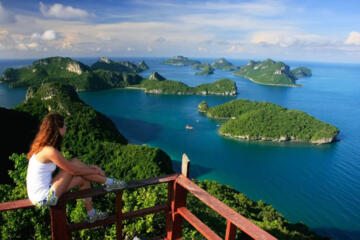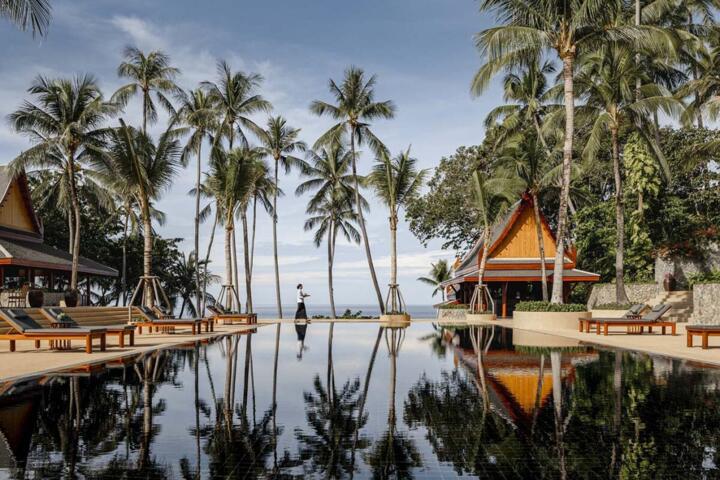
Thailand's Private Isles
Private island resorts in Thailand are not just for billionaires; they are functional, commercial properties accessible via standard luxury booking channels like Virtuoso or direct reservation systems. Unlike a typical resort where you share a beach with thousands, these locations limit occupancy to a handful of villas, often owning the entire landmass. In practice, this means 100% control over the shoreline, private pier arrivals, and zero foot traffic from outside tourists.
Statistically, Thailand has over 1,400 islands, yet fewer than 10 offer a truly "one island, one resort" experience with international five-star standards. For example, some islands in the Koh Chang archipelago remain 70% undeveloped, providing a raw natural backdrop that many "man-made" private islands in other regions lack. Real-world experience shows that booking these spots often includes "island-to-fork" dining, where 60-80% of produce is grown on-site or caught locally.
Common Booking Pitfalls
Many travelers mistakenly book "secluded" resorts that share a large island with local villages or other hotels, leading to noisy long-tail boat traffic and shared beach space. This dilutes the exclusivity and compromises security. Another issue is ignoring seasonal logistics; a private island in the Andaman Sea might be nearly inaccessible during the monsoon peak in September, leading to cancelled speedboats and wasted vacation time.
The consequences of poor planning include hidden "transfer fees" that can reach $500 per person if not negotiated upfront. Real situations often involve guests arriving at a "private" resort only to find that the beach is public property under Thai law, allowing day-trippers to picnic meters from their villa. Understanding the specific land rights and pier locations of a resort is vital to ensuring the "private" label isn't just marketing fluff.
Strategic Selection
To secure a genuine experience, prioritize resorts that own the "concession" for the entire island. This ensures that every person you see is either a guest or staff. Look for properties like Six Senses Yao Noi or Soneva Kiri; while Koh Yao Noi is a larger island, the resort occupies a distinct, isolated peninsula that functions as a private ecosystem. This works because it creates a controlled environment for service delivery and security.
Logistics of Private Transfers
On-site execution starts with the transfer. Top-tier resorts use private Cessna aircraft or dedicated luxury speedboats. For instance, Soneva Kiri operates its own 8-seater plane from Bangkok’s Suvarnabhumi directly to a nearby airstrip. This bypasses the chaos of regional terminals. When booking, always verify if the transfer is "shared" or "private" to maintain the cocoon of exclusivity from the moment you land in Thailand.
Understanding Seasonal Weather
The Gulf of Thailand (Koh Samui side) and the Andaman Sea (Phuket side) have opposite weather patterns. Booking a private island in the Andaman during July is a mistake due to high swells. Instead, pivot to the Gulf during these months. Checking the "Windy" app or local marine forecasts 48 hours before arrival is a professional move used by luxury concierges to manage guest expectations regarding water clarity and boat safety.
Sustainable Luxury Standards
True private islands in Thailand, like Koh Munnork, focus on low-impact tourism. They limit electricity usage or use desalination plants. This isn't just eco-friendly; it ensures the island remains pristine for decades. Choosing a resort with a "No News, No Shoes" policy often results in a higher quality of mental rest. Check for "Green Globe" certifications to verify that the resort’s sustainability claims are audited and real.
Exclusive Dining Protocols
In a private setting, the menu should be a suggestion, not a rule. High-end Thai retreats allow guests to consult with the executive chef daily. This works because the supply chain is tightly controlled. For example, if you want a specific vintage of Krug or fresh blue crab from a specific bay, the resort’s procurement team handles it via daily supply boats. Always communicate dietary preferences at least 14 days before arrival.
Advanced Privacy Features
Look for villas with "zero-edge" pools that face the ocean without any walking paths in front of them. This is the gold standard for privacy. In places like Cape Fahn, the villas are elevated on a rocky promontory, ensuring no one can see into your living space from the beach. Utilize the "In-Villa Check-in" service to avoid the public lobby entirely, a standard feature at the highest level of Thai hospitality.
Navigating Legal Realities
In Thailand, all beaches are technically public up to the high-tide mark. However, private islands manage this by owning all access points. This means while a boat could drop someone on the sand, they cannot legally cross the resort land to get anywhere else. Experts look for islands with "difficult" topography—cliffs and dense jungle—which naturally discourage day-trippers from lingering near guest areas.
Elite Retreat Cases
Case One: A high-net-worth couple required 100% anonymity for a honeymoon. They chose a 22-villa private island resort near Koh Samui. The resort blocked the three villas adjacent to the couple's suite to create a "buffer zone." Result: Zero unplanned human contact for 10 days, with all service conducted via a discrete "butler pass" in the villa wall. The cost was 40% higher than the base rate, but privacy was absolute.
Case Two: A corporate leadership team booked the entirety of Koh Munnork (the only private island resort in its cluster) for a strategic retreat. By taking all 23 rooms, they gained total control over the island's schedule, including night-time beach bonfires and sunrise yoga in areas usually off-limits. The "buyout" approach reduced the per-person cost by 15% compared to individual bookings, while providing a completely secure environment for sensitive discussions.
Island Comparison Matrix
| Resort Name | Location | Max Occupancy | Unique Feature | Best Season |
|---|---|---|---|---|
| Soneva Kiri | Koh Kood | Approx. 100 | Private Airstrip | Nov - May |
| Koh Munnork | Rayong Coast | Approx. 50 | Zero Wifi in Rooms | Oct - May |
| Cape Fahn | Off Koh Samui | Approx. 44 | Walkable at Low Tide | Jan - Aug |
| Six Senses | Yao Noi | Approx. 120 | Pinnacle Rock Views | Nov - April |
Avoiding Luxury Traps
One common error is booking through mass-market OTAs (Online Travel Agencies) which often display outdated "private beach" photos. Always verify via recent Google Maps satellite views to see if new construction or public piers have been built nearby. Additionally, don't assume "all-inclusive" means premium spirits and excursions; on private islands, the markup for imported items can be 300% due to transport costs. Review the "Inclusive" list carefully.
Another mistake is failing to book the specific villa number. In a private island layout, not all villas are equal. Some might be near the generator hub or the staff quarters, leading to ambient noise. Contact the resort’s "Guest Experience Manager" directly after booking to request a map and select a unit with unobstructed sunset views. This proactive step distinguishes a seasoned traveler from a novice.
FAQ
Can I rent an entire island in Thailand?
Yes, several smaller resorts like Koh Munnork offer full island buyouts. This is common for weddings or corporate events and should be booked at least 12 months in advance to ensure the calendar is clear of individual bookings.
How do I get medical help on a private island?
Top-tier resorts have on-call doctors and evacuation protocols involving speedboats or helicopters to the nearest international hospital (usually in Phuket, Bangkok, or Samui). Always check the resort’s specific medical emergency plan.
Is the water safe for swimming year-round?
Generally yes, but box jellyfish can be a concern during certain lunar cycles or after heavy rain. Premium resorts use "jellyfish nets" around designated swimming areas and provide vinegar stations on the beach as a precaution.
Are private islands family-friendly?
While many focus on couples, Soneva Kiri is world-renowned for "The Den," a massive creative play structure. However, some islands have "adults-only" policies to maintain silence, so always verify the age policy before booking.
Do these islands have reliable internet?
Most luxury islands now use Starlink or dedicated fiber-optic cables. However, some smaller "eco" private islands intentionally limit Wi-Fi to the lobby to encourage a digital detox. If you must work, confirm the Mbps in-room.
Author’s Insight
In my decade of scouting Southeast Asian hospitality, I’ve found that the "private island" label is often stretched. The most authentic experiences I’ve had were on islands where the owner lives on-site; there is a level of stewardship there that corporate-managed properties often lack. My top tip: always ask the concierge about the "back of house" tours. A resort that is proud of its water filtration and organic gardens is usually a resort that provides a superior, high-integrity guest experience. Don't just chase the infinity pool; chase the infrastructure that makes the isolation possible.
Summary
Booking a private island resort in Thailand requires looking beyond glossy photos and focusing on the logistics of seclusion, seasonal weather patterns, and the specific legal nature of the "private" claim. To ensure a successful trip, verify your transfer methods, communicate directly with the resort management regarding villa placement, and align your destination with the correct monsoon cycle. For those who do their homework, these islands offer the ultimate escape from the modern world. Start by auditing your chosen resort’s satellite map today to confirm its isolation.